Gone Without Warning: The Very Real Grief of Losing an Album to the Streaming Void
The Day the Music Actually Stopped
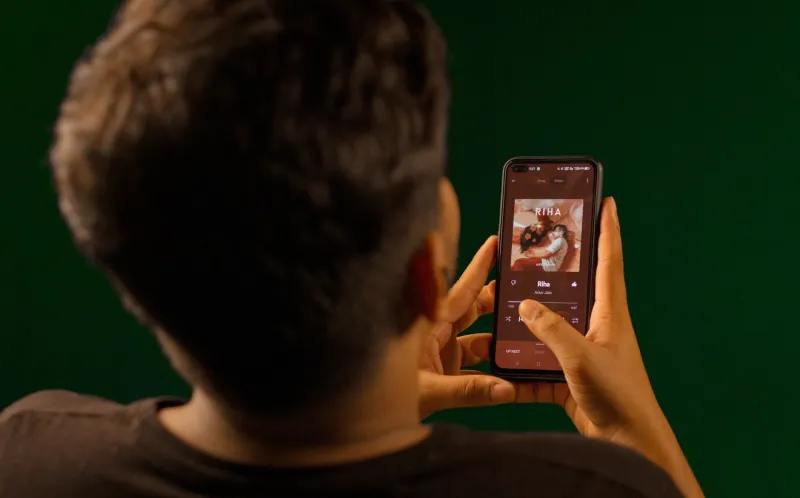
You know the feeling. You're driving home, you've had a rough day, and all you want is that one album — the one that has gotten you through rough patches before, the one you probably have logged here on JukeLog with a five-star rating and a review you spent way too long writing. You open your app, tap the familiar cover art, and get... nothing. A grayed-out library. A polite little notice that the content is "unavailable in your region" or "no longer available on this platform."
And somehow, inexplicably, it hurts.
This isn't a broken phone or a dropped Wi-Fi connection. The album is just gone. Pulled from streaming due to a licensing dispute, a messy label split, an artist's deliberate withdrawal, or some corporate negotiation that had absolutely nothing to do with you and your feelings. The music still exists somewhere in the world — on vinyl in a record store in Nashville, on a CD in someone's attic in Ohio — but your version of it, the one woven into your commutes and late nights and very specific moods, has been deleted from the only place you knew how to find it.
That's a weird kind of loss. And it deserves to be taken seriously.
Why Streaming Loss Hits Differently
When a physical record gets scratched beyond repair, or a mixtape tape snaps in the deck, there's a tangible reason for the grief. You held the thing. You lost the thing. The cause-and-effect is clean.
Streaming loss is messier. You never technically owned the music to begin with — and that's part of what makes this sting so strange. Streaming has trained an entire generation of listeners to treat access as ownership. When you add an album to your library, follow an artist, build a playlist around a specific record, you're creating a relationship. You're logging a piece of your life against that music. The fact that a licensing contract could quietly dissolve that relationship overnight, without so much as a notification, feels almost personal.
It's also worth noting how differently this hits compared to, say, an artist passing away. When we lose a musician, the music typically stays. The catalog remains. Grief has somewhere to go. When an album vanishes from streaming, you lose both the easy access and the context — the specific listening environment you built around those songs. The playlists break. The recommendations shift. The little corner of your digital music life that album occupied just becomes a gap.
The Catalog Casualties You Might Remember
This isn't a rare phenomenon. Over the years, some genuinely beloved records have disappeared from major platforms — sometimes temporarily, sometimes for years, sometimes permanently.
Taylor Swift's early catalog famously went dark across streaming services for a stretch in the mid-2010s, a move that made headlines. But plenty of less-publicized disappearing acts have hit fans just as hard. Indie records caught in label limbo, hip-hop classics tied up in sample clearance nightmares, international releases that never made it to US licensing agreements — the streaming graveyard is fuller than most people realize.
And because streaming platforms don't exactly send out funeral announcements, fans often find out the hard way: mid-listen, mid-commute, mid-cry.
What You're Actually Mourning
Here's the thing about music grief that JukeLog users probably understand better than most: you're rarely just mourning the songs themselves. You're mourning the access. The ritual. The specific version of yourself that existed inside those listening sessions.
When an album disappears from streaming, it can feel like someone reached into your memory and put a velvet rope around it. The experience is still technically yours — you remember the songs, you can probably hum the melodies — but the ease of return is gone. And ease of return matters more than we admit. Part of what makes a go-to album feel like home is that it's always there when you need it.
That sudden friction, that barrier between you and your comfort music, is its own small trauma. Don't let anyone tell you otherwise.
How to Protect Your Library Before It Disappears
Okay, so what can you actually do about this? A few practical moves worth making before your next favorite record goes dark:
Download what you love while you can. Most streaming services offer offline downloads for subscribers. Use them. If an album matters to you, download it. It won't save you if your subscription lapses, but it buys time and signals to the algorithm that this music is important to your library.
Keep a secondary copy. Bandcamp is still one of the best places to buy digital music directly from artists, and those files are yours to keep. If a record you love is available there, consider purchasing it as a backup. Same goes for iTunes purchases, Amazon Music downloads, or even — yes — physical media.
Log it before it's gone. This is exactly what JukeLog is built for. Write the review. Note the memories. Rate the tracks. Even if the music disappears from every streaming platform on earth, your log of it doesn't have to. The documentation of how a record made you feel is yours in a way the stream never was.
Follow the artist directly. Artists often announce catalog changes on their own social channels before platforms update. Being plugged in means you might get a heads-up before the rug gets pulled.
The Case for Caring About Access
There's a broader conversation here about what it means to exist as a music fan in the streaming era. We were sold convenience, and convenience delivered — but convenience came with invisible strings. When the business arrangements behind the curtain shift, listeners absorb the collateral damage.
That's not a call to abandon streaming. It's genuinely remarkable that most of recorded human music history is a tap away on your phone. But it's worth being honest about what we've traded: the permanence and ownership of physical media, in exchange for access that is, at its core, borrowed.
The albums you love aren't just products in a catalog. They're part of your personal soundtrack — your JukeLog, in the most literal sense. Treating them with some intentionality, making backups, writing things down, actually owning the records that matter most to you — that's not nostalgia. That's just protecting something real.
Because the next time a licensing deal falls apart at 11pm on a Tuesday, you'll want to know your copy is still there.