When the Songs Stay but the Friend Is Gone: Music After a Friendship Ends
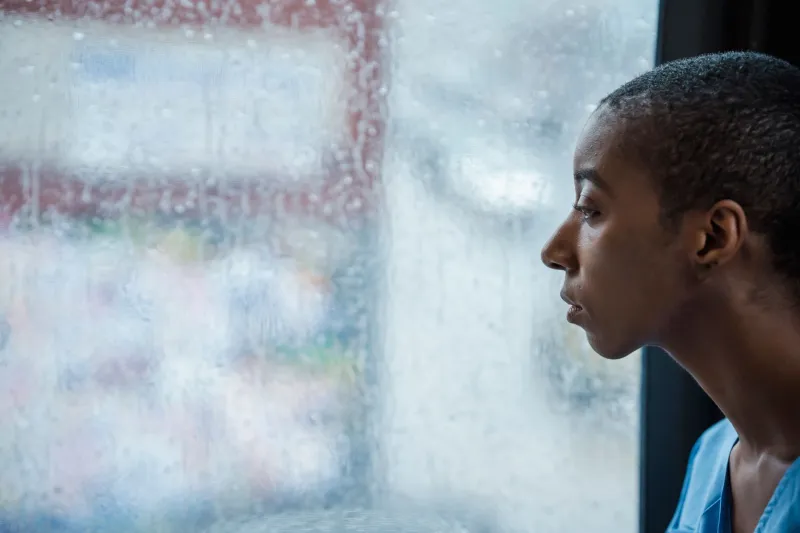
There's a playlist on your phone — or maybe it lives in a streaming queue you haven't opened in months — that has someone else's fingerprints all over it. Songs they sent you at midnight with no context. A band you never would have found on your own. That one track that played on the drive back from a trip you took together, the one where you both knew every word by the time you hit your exit.
And now they're gone. Not dead. Just gone from your life in that slow, painful, undramatic way that friend breakups tend to happen. No screaming match. No clean ending. Just a gradual fade until the silence became permanent.
Romantic breakups come with a roadmap — bad decisions, ice cream, sad songs, time. Friendship endings don't. And the music left behind can be some of the most disorienting grief you'll ever navigate.
The Overlooked Grief Nobody Names
Friend breakups are one of the most common emotional experiences people go through, and also one of the least discussed. There's no cultural script for it. No Olivia Rodrigo album written specifically about losing your best friend of eight years to a slow drift you couldn't stop. No greeting card section for "I miss who we used to be to each other."
What there is, for a lot of people, is music. Songs that carry the memory of a person the way a smell carries the memory of a place — instantly, involuntarily, and with a kind of intensity that completely bypasses rational thought.
If you've ever been mid-scroll through your JukeLog history and had a song stop you cold because it's tied to someone who isn't in your life anymore, you know exactly what this feels like. The song didn't change. You didn't change your opinion of it. But it hits completely differently now, and not in a good way.
Songs That Become Impossible to Play
There's a specific kind of music injury that happens after a friendship ends. Certain songs become almost physically difficult to hear — not because they're sad, but because they're theirs. Or they were yours together, which is somehow worse.
Maybe it's the album your friend put on during a road trip that became the unofficial soundtrack of that entire summer. Or the artist they were obsessed with and kept insisting you'd love until you finally listened and they were right. Or the playlist they made for your birthday that you still have saved because deleting it feels like erasing evidence that the friendship was real.
These songs get quarantined. You stop logging them. You skip past them in shuffle without quite letting yourself think about why. They sit in a kind of musical no man's land — too loaded to play, too meaningful to delete. Sound familiar? (If you've been following JukeLog long enough, you might recognize this from a different angle — the dead songs walking phenomenon is real, and friendship grief is one of its biggest causes.)
The Weird Comfort of Songs You Only Found Together
Here's the thing that nobody tells you about music and friendship grief: it's not all painful. Some of it is strange and bittersweet in a way that's almost tender.
There are songs you discovered because of that person that you still genuinely love. Music that expanded your taste, opened a door to a whole genre or artist you'd have never walked through on your own. And now you carry that with you even though the person who gave it to you is no longer around.
That's complicated. It's okay that it's complicated. Loving a song that someone who hurt you introduced you to doesn't mean you owe them anything. It just means music is bigger than the relationship it came through.
Some people find that these songs — the ones that were gifts, essentially — eventually become a different kind of comfort. Not comfort about the lost friendship, but comfort that exists independently of it. The music outlasted the relationship. That's not nothing.
How Your Listening Habits Actually Shift
If you pay attention to your JukeLog logs in the weeks and months after a significant friendship ends, you'll likely notice some patterns.
First, there's the avoidance phase. You stop playing whole genres, artists, even decades of music because too much of it is contaminated by association. Your listening gets narrower. You retreat to stuff that feels safe — music from before the friendship, or music so new it has no memories attached yet.
Then, often, comes the binge. The grief playlist that gets built, consciously or not, out of songs that match the specific emotional texture of what you're going through. Not heartbreak songs exactly — more like songs about change, about longing, about the specific sadness of missing someone who is still alive and just... elsewhere.
And eventually — not on any predictable timeline — you start building something new. Your listening identity starts to reassemble itself around who you are now, without that person in the picture. New discoveries that are entirely yours. Artists you came to on your own. A playlist that doesn't have anyone else's handwriting on it.
Rebuilding a Music Identity That's Just Yours Again
This is the part that takes the longest and gets talked about the least.
After a close friendship ends, a portion of your music taste belonged to the overlap — the Venn diagram center of what you both loved, what you introduced each other to, what you shared. When the friendship goes, that center can feel hollow or off-limits for a while.
Reclaiming your music identity isn't about erasing the influence that person had. You can't and shouldn't try. What it looks like, in practice, is giving yourself permission to explore without them. To log songs without wondering what they'd think. To follow your own curiosity down whatever rabbit hole it leads without the filter of another person's taste or opinion running in the background.
JukeLog was built on the idea that your listening history is your story — and it keeps going even when chapters close. The songs that carry someone else's memory are part of your log. So is everything you discover in the quiet that comes after.
Log it anyway. Even the ones that sting. Especially those.