Two Playlists, One Person: Why Your Public Music Profile Is Lying for You
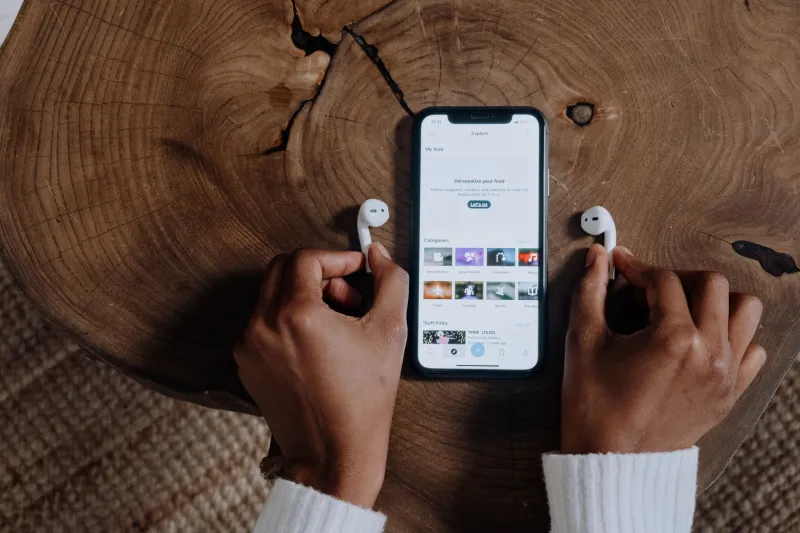
Every December, Spotify Wrapped turns into a kind of involuntary confessional. Suddenly everyone knows your most-played artist, your top genre, how many minutes you spent listening to something you probably can't explain in polite company. For a lot of people, it's fun. For a surprising number of others, it's a moment of quiet dread.
Because what if the data doesn't match the image?
We're living in an era where music taste has become social currency — something you perform as much as you experience. And the gap between what people actually listen to and what they let the world see has quietly grown into one of the more fascinating fault lines in American music culture. We're calling it the Genre Gap, and if you've ever frantically checked your privacy settings before sharing your Wrapped, you already know exactly what we're talking about.
The Public Playlist Is a Personal Brand
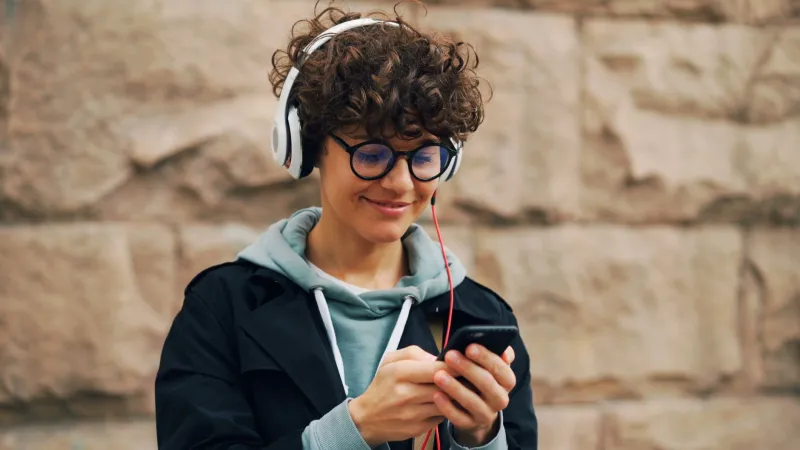
Let's be honest: when you share a playlist on JukeLog, on Spotify, on Apple Music, or anywhere else, you're not just sharing music. You're making a statement. You're telling people something about who you are, what you value, what kind of room you'd be interesting in. Music has always been tied to identity, but social media has turbocharged that connection in ways that can quietly distort our listening habits.
Research out of the University of Cambridge found that people's self-reported music preferences often diverge significantly from their actual streaming behavior — especially when they know those preferences might be visible to others. We tend to over-report listening to "prestige" genres (jazz, classical, indie, anything with a certain cultural cachet) and under-report the stuff that gets us through a Tuesday afternoon (mainstream pop, reality TV soundtracks, the same three comfort songs on loop).
In other words: we curate. Hard.
The Pressure Points Are Real
The Genre Gap isn't random — it shows up most clearly along some very specific social fault lines.
Gender is a big one. Men in the US are statistically less likely to publicly claim pop, musical theater, or emotionally vulnerable singer-songwriter music, even when private listening data tells a completely different story. The stigma around men enjoying "soft" music is well-documented and, honestly, exhausting. JukeLog user Derek from Atlanta described it bluntly: "My public playlist is all hip-hop and rock because that's what I feel like I'm supposed to listen to. My private queue is like 40% Olivia Rodrigo and some Phoebe Bridgers. I'm not ashamed of it, but I'm also not trying to have that conversation at work."
Workplace culture creates its own distortions. Open-office environments with shared speakers, Slack channels where people post what they're listening to, the casual "what's your vibe?" question in a meeting — all of it creates subtle pressure to perform a certain kind of taste. Music that reads as "too mainstream" can feel embarrassing in creative industries. Music that reads as "too weird" can feel alienating in corporate ones. People calibrate accordingly.
Social circles and regional identity play a role too. Country music is the most-streamed genre in America by a significant margin, but you wouldn't necessarily know that from the average coastal city's public playlist culture. The inverse is true in parts of the South and Midwest, where someone's genuine love of K-pop or hyperpop might stay carefully private to avoid commentary.
What the Private Queue Actually Looks Like
We asked JukeLog users to tell us — anonymously — about the music they keep off their public profiles. The responses were illuminating.
A 28-year-old music journalist from Brooklyn told us her private listening is "embarrassingly mainstream" — lots of Billboard pop, some bachata, a fair amount of early 2000s nostalgia. "My whole professional identity is built on knowing obscure stuff," she said. "If people knew I was crying to Dua Lipa three times a week, I think I'd lose credibility somehow. Which is insane, but here we are."
A 45-year-old dad from suburban Ohio keeps his love of aggressive metal completely separate from the classic rock persona he projects to his family and coworkers. "I have a commute playlist that I switch off about two miles from the office," he said. "It's like a decompression chamber."
A 22-year-old college student from Texas described hiding her classical music listening from friends who would tease her for being "bougie." She listens to Chopin while doing homework but told us she'd never put it on a shared playlist.
The through-line isn't genre — it's the gap between authentic experience and social performance.
The Algorithm Knows, Even If Your Friends Don't
Here's the uncomfortable part: even when we think we're keeping our private listening private, the platforms know everything. Spotify, Apple Music, YouTube — they're building detailed taste profiles that have nothing to do with what you choose to share publicly. Your recommendations are shaped by your actual behavior, not your curated image. The algorithm has already seen through you.
There's something almost freeing about that, if you let it be. The machine doesn't judge. It just serves you more of what you actually want.
The question is whether you're willing to extend yourself the same courtesy.
Reclaiming Your Real Soundtrack
The Genre Gap is ultimately a trust issue — trust in yourself, trust in your community, trust that your actual taste is worth owning publicly. And closing that gap doesn't have to mean a dramatic reveal. It can be incremental.
Log a song you love even though it's "not cool." Share a playlist that includes the comfort pop alongside the prestige picks. Let your JukeLog profile be a little messier, a little more honest, a little more you.
Because the most interesting music profiles aren't the ones that look perfectly curated. They're the ones that feel real — contradictory, surprising, occasionally embarrassing, and completely human.
Your Wrapped might not match your identity. But your actual listening history? That's the most honest portrait of you that exists. Maybe it's time to let a little more of it show.