Who You Follow Says Everything: The Social Politics of Artist Follows on Streaming
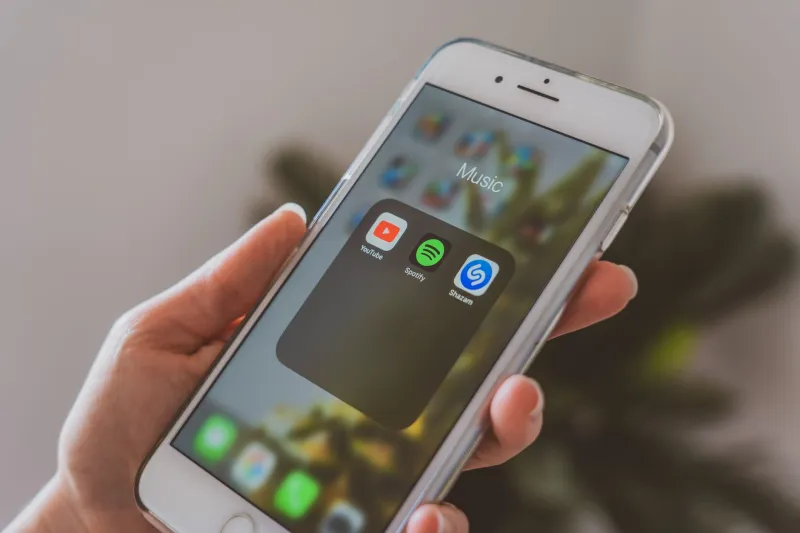
There's a button sitting on every artist page on Spotify, Apple Music, and pretty much every other platform you use. It's small. It takes one tap. And somehow, it carries an enormous amount of social weight.
The follow button is supposed to be simple — you like an artist, you follow them, you get their new releases in your feed. Functional. Clean. But anyone who's ever hesitated before following an artist they genuinely enjoy knows it's never really been that simple.
Your follow list is a public document. And on JukeLog and platforms like it, other people can read it.
The Follow as a Public Statement
Think about the last time you followed an artist without a second thought. Chances are, it was someone whose name you'd be comfortable dropping at a dinner party. Kendrick Lamar. Phoebe Bridgers. Maggie Rogers. Artists with a certain cultural cachet — the kind of names that signal taste, awareness, maybe even a little sophistication.
Now think about the artists you actually stream constantly but have never followed. The ones sitting in your private playlists. The ones you'd minimize your phone screen for if someone glanced over your shoulder.
That gap — between who you follow publicly and who you actually listen to — is where your real musical identity lives.
Streaming platforms turned the follow feature into something closer to a social media endorsement than a simple subscription tool. When your friends, coworkers, or that person you're kind of dating can browse your followed artists, following someone becomes a statement. It says: I claim this. This is part of who I am.
And for a lot of people, that's a higher bar than just enjoying a song.
The Gatekeeping Paradox
Here's the weird contradiction at the center of all this: music is deeply personal, but the way we display it is deeply social. We build our taste privately — alone in our cars, headphones in on the subway, half-asleep with a playlist running — and then we present a curated version of it to the world.
Following an artist is one of the most visible curation choices you make on a streaming platform. It's more permanent than a playlist (which you can quietly delete), more deliberate than a stream (which can be blamed on an algorithm), and more public than a like (which most platforms still keep semi-hidden).
So we gatekeep. We follow the artists we want to be associated with and keep a careful distance from the ones we're not ready to claim publicly — even if those artists are getting more of our actual listening hours.
This isn't hypocrisy, exactly. It's self-presentation. Humans have always curated the version of themselves they show to others. Streaming platforms just gave that impulse a very specific, trackable outlet.
Following Friends vs. Following Artists
There's a second layer to this that doesn't get talked about enough: the strange social dynamics of following other users on streaming platforms.
When Spotify first rolled out its social features, a lot of people were caught genuinely off guard. Suddenly, your listening activity was visible. Your friends could see your top artists. Your recent plays were basically a live broadcast.
Following a friend on a streaming platform is a different kind of vulnerability than following them on Instagram. Instagram is curated — you post what you want people to see. But your streaming activity is often raw and unfiltered. It's 2 a.m. and you're playing the same sad song for the fourth time in a row, and your mutuals can see it in real time.
Some people lean into this. They want their musical life to be visible, even the messy parts. Others go straight to private mode and never look back. The ones who stay public are making a choice: they're comfortable being known through their listening habits, follow lists and all.
That's a specific kind of confidence. Or, depending on how you look at it, a specific kind of recklessness.
The Fandom Hierarchy Nobody Talks About
Streaming follows have also quietly reinforced a social hierarchy within music fandom that's worth examining. There are artists whose fan bases treat following as an act of community membership — not just a preference, but an allegiance. You follow Taylor Swift or Beyoncé on Spotify and you're not just expressing a music preference, you're affiliating with a tribe.
For newer or more niche artists, the follow carries a different kind of meaning. Following a small indie act with 12,000 monthly listeners signals something about discovery — it says you were here before the algorithm caught up. It's a form of cultural capital that music fans have always traded in, just now it's logged and searchable.
Meanwhile, following a legacy pop act or a mainstream country star can feel almost politically loaded in certain social circles. People will stream those artists in private but won't publicly claim them, because the follow list has become a place where taste is performed as much as it's expressed.
What Your Follow List Actually Reveals
If you want to understand your own relationship with music and identity, your follow list is a useful mirror — but it's the gap between your follow list and your actual listening history that tells the deeper story.
On JukeLog, we talk a lot about logging your real listening life, not just the parts that look good. Because the songs you stream at midnight, the artists you play on repeat without ever hitting follow, the guilty pleasures you've never publicly claimed — those are as much a part of your musical identity as the carefully chosen names in your public profile.
The follow button isn't just a subscription tool. It's a declaration. And every artist you've chosen not to follow, despite loving their music, is a small act of self-editing that says something real about the gap between who you are and who you want to be seen as.
Maybe it's time to close that gap a little. Hit follow on the artist you've been streaming for three years but never claimed. Log it. Own it.
Your taste is more interesting when it's honest.